
The Homeward Journey
  • Home
  • Categories
    • Physical Health & Nutrition
    • Parenting in Military Families
    • Personal Growth & Empowerment
    • “New Normal” After Deployment
    • Resources & Support Organizations
September 08.2026
1 Minute Read

Who Is Watching? Joe Parfitt on Flock Cameras, Privacy and the Right to Be Left Alone

Did you know that over 70% of local communities now use surveillance technology, sparking heated debates about privacy? Understanding this balance is crucial to protecting our freedoms, not taking away responsibilities as citizens. Dive in to explore how surveillance impacts privacy and why it matters to you.

A Community Should Not Have to Live Under Constant Surveillance

The debate over Flock cameras is about something more fundamental than technology. It is about the kind of communities Americans want to live in—and how much power government and those with access to its surveillance systems should have to observe the everyday movements of ordinary citizens.

Flock camera systems can record information about vehicles moving through public spaces and make that information available for later searches. Supporters point to their usefulness in law enforcement. But the deeper question is whether citizens should have their movements routinely collected and stored when they are not suspected of committing any crime.

Joe Parfitt believes the answer is no.

“American citizens should not be surveilled with no warrant. There is no legal, legitimate reason to pre-investigate crimes.”

That principle matters because freedom is not merely the absence of government interference. It also depends upon the expectation that ordinary people can go about their lives without being continuously documented simply because technology makes such monitoring possible.

Healthy communities are built from the ground up. Families, neighbors, churches, businesses, civic organizations, teachers, first responders and local leaders create the relationships that make a place safe and strong. People should be trusted to grow those communities themselves—not treated as potential suspects whose movements must be collected in advance in case that information becomes useful later.

The concern becomes even greater when citizens cannot readily determine who can access surveillance information, how long it is retained, how broadly it can be searched, or whether information collected for one purpose might eventually be used for another. A system introduced in the name of public safety can create powers that extend far beyond the circumstances under which the public originally accepted it.

That is why the issue should not simply be framed as privacy versus safety. The more important question is where the burden belongs.

In a free society, government should have a legitimate reason for investigating an individual. Citizens should not have to justify why they deserve to move through their own communities without being systematically tracked.

For Joe Parfitt, protecting public safety and protecting constitutional liberty are not opposing goals. Law enforcement should have the tools necessary to investigate crime and protect communities. But those tools should operate within clear limits, meaningful public oversight and the constitutional protections that distinguish targeted investigation from indiscriminate surveillance.

Technology will continue to advance. The principle governing its use should remain much older and simpler: government exists to serve free people—not to place free people under observation simply because it has acquired the ability to do so.

Join with us and share your voice:

Instagram: https://www.instagram.com/joeparfitt4nc 

Facebook: https://www.facebook.com/people/Joe-Parfitt/61585133547433/ 

YouTube: https://www.youtube.com/@JoeParfitt4NC

Local community space with discrete surveillance cameras for surveillance technology privacy

The Impact of Surveillance Technology on Community Privacy and Security

Surveillance cameras such as Flock cameras are designed to automatically read license plates and collect information to help law enforcement investigate crimes more efficiently. The cameras' major selling point is that they serve as deterrents by increasing the likelihood that crimes will be solved, thereby discouraging wrongdoing.

However, the actual security benefits of surveillance cameras have notable limits. Joseph Parfitt points out, “Photographs or video do not stop a crime. It may help catch perpetrators, but it’s not stopping it. ” This highlights that cameras typically aid in evidence gathering after the fact rather than preventing incidents outright.

Furthermore, misuse and unauthorized access to surveillance data create further concerns. There are documented incidents nationwide where officials or deputies have exploited camera feeds or stored data for personal reasons unrelated to law enforcement objectives. Such breaches exacerbate distrust in the technology and raise questions around oversight and accountability.

Surveillance camera monitoring suburban neighborhood illustrating surveillance technology privacy

Community Concerns and Opposition to Surveillance Technology

In many localities, people have pushed back against the increasing intrusion of surveillance technology in their communities. Issues include perceived invasions of privacy, lack of transparency about data use, and the absence of effective community input before installations.

Communities across the U. S. have responded in various ways, such as voting to remove intrusive camera systems or physically disabling them. Joe Parfitt shares, “Pittsburgh was able to vote out their Flock cameras, and places in Texas covered them with bags. This shows that community pushback can be effective. ” These actions demonstrate that citizens hold power over surveillance policies when they mobilize.

Transparency from local government and agencies remains a critical component. Without open dialogue, communities feel disregarded and threatened by surveillance initiatives imposed without consent or proper communication. Establishing clear, accountable frameworks that engage public voices is essential.

Engaged community town hall meeting discussing surveillance technology privacy

The Role of Data Centers in Surveillance and Their Community Impact

The technology behind surveillance cameras requires significant infrastructure, primarily data centers that store and process the vast amounts of collected information. These facilities demand substantial electric power and water resources and often locate in economically vulnerable counties.

In Richmond County, for example, proposed data centers have sparked controversy due to limited environmental assessments and potential adverse impacts on local public resources. These centers, often funded by large corporations, contribute little permanent employment but impose higher utility costs on residents. Meanwhile, the county’s public education system suffers from chronic underfunding and budget shortfalls.

Adding to the debate, community members suspect local officials of conflicts of interest. Joe Parfitt notes questionable transactions and lack of transparency surrounding these developments, underscoring the need for vigilant oversight.

Data center facility illuminated at dusk representing surveillance infrastructure

Expert Insights: Joe Parfitt’s Perspective on Surveillance and Community Advocacy

Joe Parfitt, a community advocate and teacher running for the North Carolina House of Representatives in District 52, brings firsthand knowledge of local challenges. His teaching experience across Moore and Richmond counties has deepened his understanding of the systemic underfunding of public schools juxtaposed with the prioritization of surveillance projects.

Parfitt stresses the importance of balancing legitimate security needs with safeguarding citizens’ privacy. “We should embrace the community’s point of view, understand their concerns, and work responsibly to study and regulate surveillance technology rather than impose it without consent. ” His campaign focuses on transparency, community engagement, and pushing legislative measures that reflect constituents’ rights and well-being.

His advocacy extends beyond surveillance to address the chronic diversion of funds away from public education toward private institutions, impacting the future of youth and community vitality.

Joe Parfitt engaging with local residents emphasizing surveillance technology privacy

Common Misconceptions and Myths About Surveillance Technology Privacy

  • Myth: Surveillance cameras prevent all crime.
    Reality: Cameras aid in evidence gathering but do not stop crimes from occurring.

  • Myth: Having a mobile phone means you consent to constant tracking.
    Reality: Unlike surveillance cameras, phones require consent and legal protections constrain access to personal data.

  • Clarification: Legal protections and oversight exist to regulate data collection, but gaps remain, making transparency and community input essential.

Actionable Tips for Communities to Balance Surveillance Technology and Privacy

  • Engage actively in local government meetings to express concerns and influence surveillance policy decisions.

  • Advocate for strong transparency and data protection measures to ensure accountability over surveillance systems.

  • Support community-led studies and oversight committees to evaluate surveillance impacts and recommend improvements.

  • Promote education initiatives that inform residents about their privacy rights and surveillance technology realities.
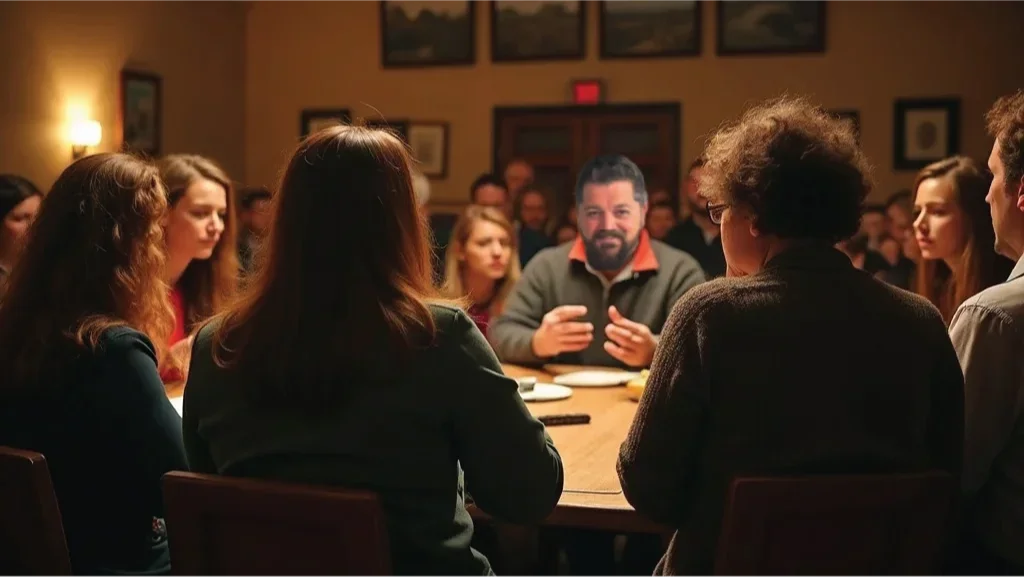
Diverse community working group collaborating on surveillance technology privacy policies

People Also Ask

  • What is surveillance technology privacy?
    It is the protection of individuals’ personal information and activities from unauthorized monitoring or data collection by surveillance systems.

  • How does surveillance technology affect community safety?
    Although it may deter some crimes, it does not guarantee prevention. Surveillance is counter to the idea of freedom and can enable a culture of selective intimidation.

  • Can surveillance cameras violate my privacy rights?
    Yes, if used without proper legal authorization, transparency, or oversight.

  • What are the alternatives to surveillance for crime prevention?
    Encouraging community responsibility through public school funding, neighborhood support programs, enhanced youth opportunities and social services addressing crime root causes.

  • How can communities influence surveillance policies?
    By participating in public forums, electing privacy-conscious representatives, and advocating for regulations and oversight.

Key Takeaways

  • Surveillance technology is widespread but raises significant privacy concerns.

  • Effective security requires balancing technology use with community trust and respecting legal rights.

  • Community engagement and transparency are essential for responsible surveillance deployment.

  • Data centers supporting surveillance have notable environmental, economic, and social impacts.

  • Joe Parfitt advocates listening to community voices and pushing for transparent governance on surveillance issues.

Conclusion: Moving Forward with Surveillance Technology Privacy in Mind

As surveillance technology becomes more prevalent, it is vital for communities to actively participate in shaping policies that support community engagement. Leaders like Joe Parfitt demonstrate the importance of listening to constituents and advocating for balanced, transparent approaches. Together, we can grow what is needed and in the public's interest without compromising fundamental freedoms.

To follow up, call us at: 910-420-5452. Or email us at: committeetoelectjoeparfitt@gmail.com
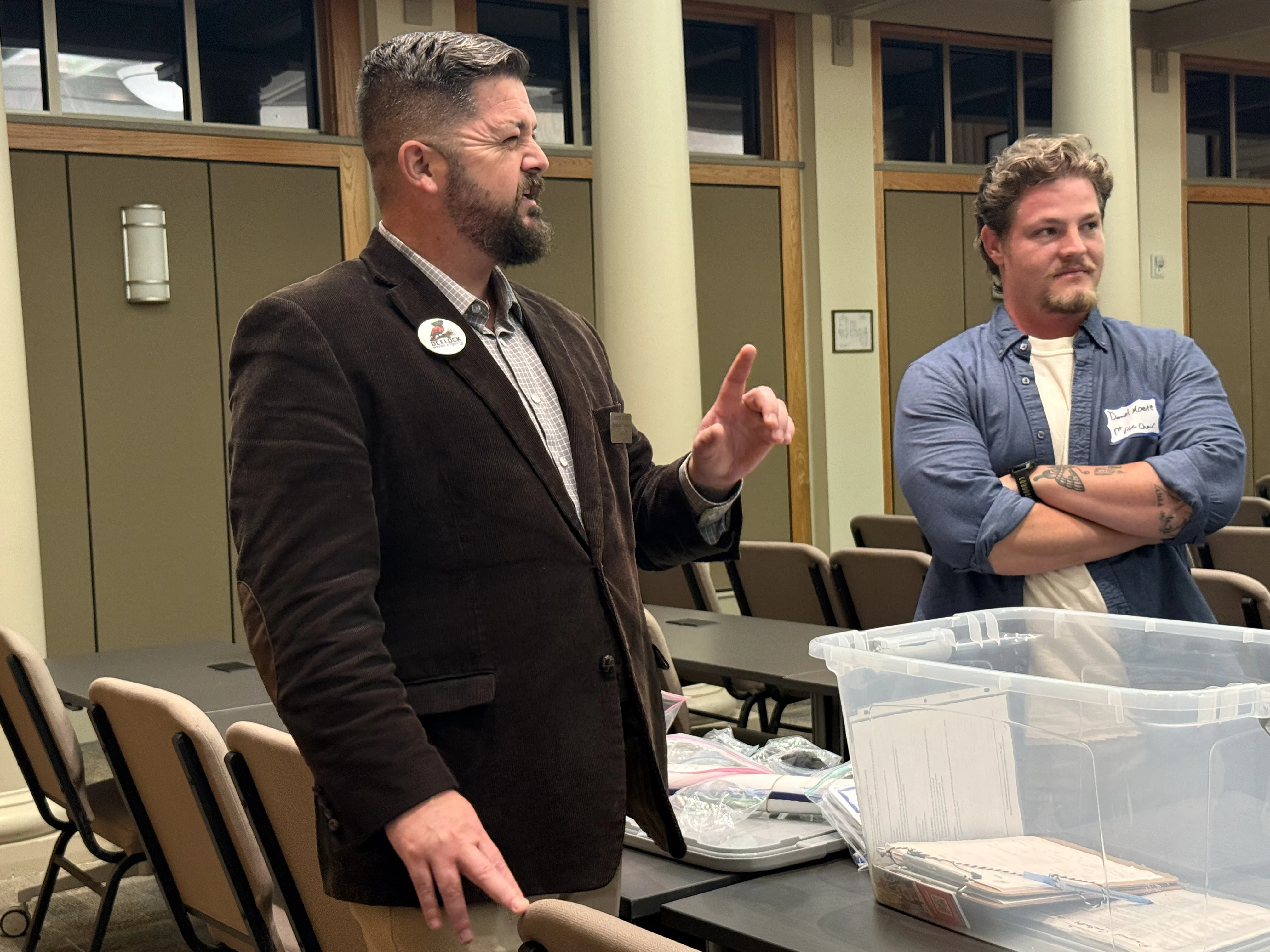
Diverse community working group collaborating on surveillance technology privacy policies

Share your thought with us:

Instagram: https://www.instagram.com/joeparfitt4nc 

Facebook: https://www.facebook.com/people/Joe-Parfitt/61585133547433/ 

YouTube: https://www.youtube.com/@JoeParfitt4NC

Inspiration & Success Stories

0 Views

0 Comments

Write A Comment

*
*
Please complete the captcha to submit your comment.
Related Posts All Posts
09.02.2026

Understanding the Importance of Friendship for Military Spouses

Update Friendship: A Lifeline for Military Spouses In the complex world of military life, friendships can become a lifeline, especially for spouses adjusting to frequent relocations. Many face the challenge of cultivating connections in a new environment, often feeling isolated amidst the upheaval of a Permanent Change of Station (PCS). Despite this struggle, fostering relationships is essential for mental and emotional wellness. The Importance of Community Reflecting on my own journey, long before stepping into the role of a military spouse, I was advised to immerse myself in community activities to build a support network. This simple yet profound advice has echoed through my experiences, underscoring the value of connection. As military families uproot their lives every few years, the necessity for a supportive village becomes more evident than ever. Overcoming the Fear of New Beginnings Entering new social circles can be daunting, especially when facing the anxiety of being the new person. The thought of attending gatherings, such as a squadron family day, when you are two months postpartum, may seem overwhelming. Yet, these events offer golden opportunities for connection. Through my own experiences, I learned that brave steps often lead to cherished friendships, as exemplified by my bond with Mandy. Our introduction at a waterpark showcased how mutual discomfort can transform into the foundation of friendship through shared experiences during a challenging phase. Finding Value in Connections Every encounter carries potential, whether it blossoms into deep friendships or simply creates a network of acquaintances. The connections we build can lead to answering questions about our spouses' duties or simply sharing a welcoming smile at community events. Each small step toward social engagement nurtures a sense of belonging, essential for our emotional health in these transient lifestyles. Embracing the Challenge As military spouses, we often hesitate to venture out—fear of judgment or feeling out of place holds us back. However, by attending events and putting ourselves out there, we might just find that life-changing friendship, the type that transforms our experiences in profound ways. So step out, seek connections, and embrace the journey. As we uplift each other, we find that community is not just a network but a source of inspiration and hope.

08.26.2026

Discover Unforgettable Summer Activities Near JBLM for Families

Update A Transformative Summer Experience Awaiting at JBLM Stationed at Joint Base Lewis-McChord (JBLM), summers take on a uniquely vibrant quality, transforming how military families engage with their surroundings. While past duty stations in hotter climates left many yearning for cooler, breezier days, JBLM presents an enchanting escape filled with beauty and adventure. The Pacific Northwest summers truly have a life of their own; they are not merely enjoyed but are celebrated as a seasonal resurrection for many. As the warmth of summer returns, families are encouraged to step outside and embrace the breathtaking sights and sounds that surround them. From exhilarating lake days at American Lake, where swimming meets the backdrop of majestic Mount Rainier, to thrilling tide pooling adventures at nearby beaches like Tolmie State Park, the outdoors offers an ideal escape from the limitations of indoor routines. These activities foster not just physical wellness through play and exploration, but also create cherished memories that families can carry for years. Nature’s Playground: A Family Bonding Experience Summer activities near JBLM go beyond mere recreation—they're integral moments of family connection and personal growth. Engaging in wildflower hikes not only immerses families in nature’s beauty but also creates stories of hope and inspiration that can be shared through generations. As children navigate blooming trails, parents revel in the opportunity to teach them about nature's gifts, reinforcing the bond between family members while cultivating appreciation for the environment. The Joy of Berry Picking: An Inspiring Tradition No summer is complete without the delightful experience of berry picking. Families stationed at JBLM celebrate this tradition by harvesting strawberries, blueberries, and blackberries, sharing smiles and laughter while filling their baskets with seasonal treats. This simple act of working together in the sun reinforces the values of teamwork and patience, providing lasting emotional wellness through shared goals. Conclusion: Embracing the Summer Spirit As summer unfolds at JBLM, military families are encouraged to embrace the opportunities for connection and adventure waiting just outside their doors. By engaging in these enriching experiences, they not only find joy but build inspiring stories that highlight resilience and community. This summer, watch as every moment spent outdoors translates into priceless experiences that celebrate family, nature, and the unwavering spirit of those in the armed forces.

08.19.2026

Navigating Military Retirement: Stories of Hope and Inspiration

Update The Transition to Military Retirement: A New Chapter For many service members, the transition to military retirement can feel like stepping into a completely new world. It’s a major life change, filled with uncertainty and opportunities alike. In the spirit of sharing inspiration and hope, I'd like to highlight stories that show how this transition can lead to positive new beginnings. Each journey is unique, but they all share one thing in common: resilience. Lessons Learned from Fellow Veterans Many veterans have shared their experiences navigating the complex waters of retirement, offering insights that can help others prepare. For instance, John, a retired sergeant, leveraged his military skills to start a successful consultancy. His story illustrates the power of transferable skills and the importance of believing in oneself even in uncharted territories. His journey inspires many to realize that skills honed in uniform can lead to rewarding careers post-service. Building a Support Network Another key aspect of the transition is building a supportive community. Engaging with fellow veterans can provide emotional support and practical tips. For example, the local veteran’s group in your area can be a haven for sharing motivational stories and inspiring testimonials of those who have successfully navigated retirement. Hearing how others have triumphed over challenges can ignite hope and provide a valuable roadmap for your own journey. A Call to Action So, whether you're nearing retirement or just beginning to think about it, remember that you are not alone. Many have walked this path before you, achieving success and fulfillment in their new lives. Let's encourage each other with our stories of hope and inspiration. Reach out, share your journey, and help light the way for others.

Through trusted military sources, real-life stories, and research-backed wellness insights, we offer a place for you to be seen, supported, and renewed.

Our mission is to help military wives and partners:

Heal deeply from the emotional toll of long-distance love, sacrifice, and reintegration challenges.

Grow stronger in spirit, body, and mind through grounded, evidence-based wellness practices.


About The Homeward Journey

 At The Homeward Journey, we support the women behind the warriors.

When a service member returns home, it’s not just their world that changes—so does yours. You’ve held the line through deployments, uncertainty, and distance. Now, in the quiet complexity of reintegration, you are the bridge between the past and what’s possible.

We believe that your healing is not secondary—it’s essential.

The Homeward Journey exists to nurture, empower, and walk alongside military wives and partners as they restore their own wholeness, deepen their resilience, and discover the quiet strength to become a healing presence in their partner’s return.

© 2026 The Homeward Journey All Rights Reserved. 154 Pine Ridge Dr., Whispering Pines, NC 28327 . Contact Us . Terms of Service . Privacy Policy

eyJjb21wYW55IjoiVGhlIEhvbWV3YXJkIEpvdXJuZXkiLCJhZGRyZXNzIjoiMTU0IFBpbmUgUmlkZ2UgRHIuIiwiY2l0eSI6IldoaXNwZXJpbmcgUGluZXMiLCJzdGF0ZSI6Ik5DIiwiemlwIjoiMjgzMjciLCJlbWFpbCI6ImluZm9AdGhlaG9tZXdhcmRqb3VybmV5LmNvbSIsInRvcyI6IlBIQStQSE4wY205dVp6NDhaVzArVjJobGJpQjViM1VnYzJsbmJpMXBiaUIzYVhSb0lIVnpMQ0I1YjNVZ1lYSmxJR2RwZG1sdVp5WnVZbk53T3lCNWIzVnlJSEJsY20xcGMzTnBiMjRnWVc1a0lHTnZibk5sYm5RZ2RHOGdjMlZ1WkNCNWIzVWdaVzFoYVd3Z1lXNWtMMjl5SUZOTlV5QjBaWGgwSUcxbGMzTmhaMlZ6TGlCQ2VTQmphR1ZqYTJsdVp5QjBhR1VnVkdWeWJYTWdZVzVrSUVOdmJtUnBkR2x2Ym5NZ1ltOTRJR0Z1WkNCaWVTQnphV2R1YVc1bklHbHVJSGx2ZFNCaGRYUnZiV0YwYVdOaGJHeDVJR052Ym1acGNtMGdkR2hoZENCNWIzVWdZV05qWlhCMElHRnNiQ0IwWlhKdGN5QnBiaUIwYUdseklHRm5jbVZsYldWdWRDNDhMMlZ0UGp3dmMzUnliMjVuUGp3dmNENEtDanh3UGp4aElHaHlaV1k5SW1oMGRIQTZMeTkzZDNjdVoyOXZaMnhsTG1OdmJTSSthSFIwY0RvdkwzZDNkeTVuYjI5bmJHVXVZMjl0UEM5aFBqd3ZjRDRLQ2p4d1BpWnVZbk53T3p3dmNENEtDanh3UGp4emRISnZibWMrVTBWU1ZrbERSVHd2YzNSeWIyNW5Qand2Y0Q0S0NqeHdQbGRsSUhCeWIzWnBaR1VnWVNCelpYSjJhV05sSUhSb1lYUWdZM1Z5Y21WdWRHeDVJR0ZzYkc5M2N5QjViM1VnZEc4Z2NtVmpaV2wyWlNCeVpYRjFaWE4wY3lCbWIzSWdabVZsWkdKaFkyc3NJR052YlhCaGJua2dhVzVtYjNKdFlYUnBiMjRzSUhCeWIyMXZkR2x2Ym1Gc0lHbHVabTl5YldGMGFXOXVMQ0JqYjIxd1lXNTVJR0ZzWlhKMGN5d2dZMjkxY0c5dWN5d2daR2x6WTI5MWJuUnpJR0Z1WkNCdmRHaGxjaUJ1YjNScFptbGpZWFJwYjI1eklIUnZJSGx2ZFhJZ1pXMWhhV3dnWVdSa2NtVnpjeUJoYm1RdmIzSWdZMlZzYkhWc1lYSWdjR2h2Ym1VZ2IzSWdaR1YyYVdObExpQlpiM1VnZFc1a1pYSnpkR0Z1WkNCaGJtUWdZV2R5WldVZ2RHaGhkQ0IwYUdVZ1UyVnlkbWxqWlNCcGN5QndjbTkyYVdSbFpDQW1jWFZ2ZER0QlV5MUpVeVp4ZFc5ME95QmhibVFnZEdoaGRDQjNaU0JoYzNOMWJXVWdibThnY21WemNHOXVjMmxpYVd4cGRIa2dabTl5SUhSb1pTQjBhVzFsYkdsdVpYTnpMQ0JrWld4bGRHbHZiaXdnYldsekxXUmxiR2wyWlhKNUlHOXlJR1poYVd4MWNtVWdkRzhnYzNSdmNtVWdZVzU1SUhWelpYSWdZMjl0YlhWdWFXTmhkR2x2Ym5NZ2IzSWdjR1Z5YzI5dVlXeHBlbUYwYVc5dUlITmxkSFJwYm1kekxqd3ZjRDRLQ2p4d1BsbHZkU0JoY21VZ2NtVnpjRzl1YzJsaWJHVWdabTl5SUc5aWRHRnBibWx1WnlCaFkyTmxjM01nZEc4Z2RHaGxJRk5sY25acFkyVWdZVzVrSUhSb1lYUWdZV05qWlhOeklHMWhlU0JwYm5admJIWmxJSFJvYVhKa0lIQmhjblI1SUdabFpYTWdLSE4xWTJnZ1lYTWdVMDFUSUhSbGVIUWdiV1Z6YzJGblpYTXNJRWx1ZEdWeWJtVjBJSE5sY25acFkyVWdjSEp2ZG1sa1pYSWdiM0lnWTJWc2JIVnNZWElnWVdseWRHbHRaU0JqYUdGeVoyVnpLUzRnV1c5MUlHRnlaU0J5WlhOd2IyNXphV0pzWlNCbWIzSWdkR2h2YzJVZ1ptVmxjeXdnYVc1amJIVmthVzVuSUhSb2IzTmxJR1psWlhNZ1lYTnpiMk5wWVhSbFpDQjNhWFJvSUhSb1pTQmthWE53YkdGNUlHOXlJR1JsYkdsMlpYSjVJRzltSUdWaFkyZ2dVMDFUSUhSbGVIUWdiV1Z6YzJGblpTQnpaVzUwSUhSdklIbHZkU0JpZVNCMWN5NGdTVzRnWVdSa2FYUnBiMjRzSUhsdmRTQnRkWE4wSUhCeWIzWnBaR1VnWVc1a0lHRnlaU0J5WlhOd2IyNXphV0pzWlNCbWIzSWdZV3hzSUdWeGRXbHdiV1Z1ZENCdVpXTmxjM05oY25rZ2RHOGdZV05qWlhOeklIUm9aU0JUWlhKMmFXTmxJR0Z1WkNCeVpXTmxhWFpsSUhSb1pTQlRUVk1nZEdWNGRDQnRaWE56WVdkbGN5NGdWMlVnWkc4Z2JtOTBJR05vWVhKblpTQmhibmtnWm1WbGN5Qm1iM0lnWkdWc2FYWmxjbmtnYjJZZ1pXMWhhV3dnYjNJZ1UwMVRMaUJVYUdseklHbHpJR0VnWm5KbFpTQnpaWEoyYVdObElIQnliM1pwWkdWa0lHSjVJSFZ6TGlCSWIzZGxkbVZ5TENCd2JHVmhjMlVnWTJobFkyc2dkMmwwYUNCNWIzVnlJR2x1ZEdWeWJtVjBJSE5sY25acFkyVWdjSEp2ZG1sa1pYSWdZVzVrSUdObGJHeDFiR0Z5SUdOaGNuSnBaWElnWm05eUlHRnVlU0JqYUdGeVoyVnpJSFJvWVhRZ2JXRjVJR2x1WTNWeUlHRnpJR0VnY21WemRXeDBJR1p5YjIwZ2NtVmpaV2wyYVc1bklHVnRZV2xzSUdGdVpDQlRUVk1nZEdWNGRDQnRaWE56WVdkbGN5QjBhR0YwSUhkbElHUmxiR2wyWlhJZ2RYQnZiaUI1YjNWeUlHOXdkQzFwYmlCaGJtUWdjbVZuYVhOMGNtRjBhVzl1SUhkcGRHZ2diM1Z5SUdWdFlXbHNJR0Z1WkNCVFRWTWdjMlZ5ZG1salpYTXVJRmx2ZFNCallXNGdZMkZ1WTJWc0lHRjBJR0Z1ZVNCMGFXMWxMaUJLZFhOMElIUmxlSFFnSm5GMWIzUTdVMVJQVUNaeGRXOTBPeUIwYnladVluTndPenhvYVdkb2JHbG5hSFFnWTJ4aGMzTTlJbU52YlhCaGJubFRUVk5RYUc5dVpWVndaR0YwWlNJK2JuVnNiRHd2YUdsbmFHeHBaMmgwUGk0Z1FXWjBaWElnZVc5MUlITmxibVFnZEdobElGTk5VeUJ0WlhOellXZGxJQ1p4ZFc5ME8xTlVUMUFtY1hWdmREc2dkRzhnZFhNc0lIZGxJSGRwYkd3Z2MyVnVaQ0I1YjNVZ1lXNGdVMDFUSUcxbGMzTmhaMlVnZEc4Z1kyOXVabWx5YlNCMGFHRjBJSGx2ZFNCb1lYWmxJR0psWlc0Z2RXNXpkV0p6WTNKcFltVmtMaUJCWm5SbGNpQjBhR2x6TENCNWIzVWdkMmxzYkNCdWJ5QnNiMjVuWlhJZ2NtVmpaV2wyWlNCVFRWTWdiV1Z6YzJGblpYTWdabkp2YlNCMWN5NDhMM0ErQ2dvOGNENDhjM1J5YjI1blBsbFBWVklnVWtWSFNWTlVVa0ZVU1U5T0lFOUNURWxIUVZSSlQwNVRQQzl6ZEhKdmJtYytQQzl3UGdvS1BIQStTVzRnWTI5dWMybGtaWEpoZEdsdmJpQnZaaUI1YjNWeUlIVnpaU0J2WmlCMGFHVWdVMlZ5ZG1salpTd2dlVzkxSUdGbmNtVmxJSFJ2T2p3dmNENEtDanh2YkQ0S0NUeHNhVDV3Y205MmFXUmxJSFJ5ZFdVc0lHRmpZM1Z5WVhSbExDQmpkWEp5Wlc1MElHRnVaQ0JqYjIxd2JHVjBaU0JwYm1admNtMWhkR2x2YmlCaFltOTFkQ0I1YjNWeWMyVnNaaUJoY3lCd2NtOXRjSFJsWkNCaWVTQjBhR1VnVTJWeWRtbGpaU1lqTXprN2N5QnlaV2RwYzNSeVlYUnBiMjRnWm05eWJTQW9jM1ZqYUNCcGJtWnZjbTFoZEdsdmJpQmlaV2x1WnlCMGFHVWdKbkYxYjNRN1VtVm5hWE4wY21GMGFXOXVJRVJoZEdFbWNYVnZkRHNwSUdGdVpEd3ZiR2srQ2drOGJHaytiV0ZwYm5SaGFXNGdZVzVrSUhCeWIyMXdkR3g1SUhWd1pHRjBaU0IwYUdVZ1VtVm5hWE4wY21GMGFXOXVJRVJoZEdFZ2RHOGdhMlZsY0NCcGRDQjBjblZsTENCaFkyTjFjbUYwWlN3Z1kzVnljbVZ1ZENCaGJtUWdZMjl0Y0d4bGRHVXVJRWxtSUhsdmRTQndjbTkyYVdSbElHRnVlU0JwYm1admNtMWhkR2x2YmlCMGFHRjBJR2x6SUhWdWRISjFaU3dnYVc1aFkyTjFjbUYwWlN3Z2JtOTBJR04xY25KbGJuUWdiM0lnYVc1amIyMXdiR1YwWlN3Z2IzSWdkMlVnYUdGMlpTQnlaV0Z6YjI1aFlteGxJR2R5YjNWdVpITWdkRzhnYzNWemNHVmpkQ0IwYUdGMElITjFZMmdnYVc1bWIzSnRZWFJwYjI0Z2FYTWdkVzUwY25WbExDQnBibUZqWTNWeVlYUmxMQ0J1YjNRZ1kzVnljbVZ1ZENCdmNpQnBibU52YlhCc1pYUmxMQ0IzWlNCb1lYWmxJSFJvWlNCeWFXZG9kQ0IwYnlCemRYTndaVzVrSUc5eUlEeHpkSEp2Ym1jK1BITndZVzRnYzNSNWJHVTlJbU52Ykc5eU9pTkdSakF3TURBN0lqNTBaWEp0YVc1aGRHVWdlVzkxY2lCaFkyTnZkVzUwTDNCeWIyWnBiR1VnWVc1a0lISmxablZ6WlNCaGJua2dZVzVrSUdGc2JDQmpkWEp5Wlc1MElHOXlJR1oxZEhWeVpTQjFjMlVnYjJZZ2RHaGxJRk5sY25acFkyVWdLRzl5SUdGdWVTQndiM0owYVc5dUlIUm9aWEpsYjJZcExqd3ZjM0JoYmo0OEwzTjBjbTl1Wno0OEwyeHBQZ284TDI5c1Bnb0tQSEErSm01aWMzQTdQQzl3UGdvOGFHbG5hR3hwWjJoMElHTnNZWE56UFNKamIyMXdZVzU1VG1GdFpWVndaR0YwWlNJK1ZHaGxJRWh2YldWM1lYSmtJRXB2ZFhKdVpYazhMMmhwWjJoc2FXZG9kRDQ4WW5JZ0x6NEtQR2hwWjJoc2FXZG9kQ0JqYkdGemN6MGlZMjl0Y0dGdWVVRmtaSEpsYzNOVmNHUmhkR1VpUGpFMU5DQlFhVzVsSUZKcFpHZGxJRVJ5TGl3Z1YyaHBjM0JsY21sdVp5QlFhVzVsY3l3Z1RrTWdNamd6TWpjOEwyaHBaMmhzYVdkb2RENDhZbklnTHo0S1BHaHBaMmhzYVdkb2RDQmpiR0Z6Y3owaVkyOXRjR0Z1ZVZCb2IyNWxWWEJrWVhSbElqNDNNRE10T1RnNExUVTBOVFU4TDJocFoyaHNhV2RvZEQ0OFluSWdMejRLUEdocFoyaHNhV2RvZENCamJHRnpjejBpWTI5dGNHRnVlVVZ0WVdsc1ZYQmtZWFJsSWo1cGJtWnZRSFJvWldodmJXVjNZWEprYW05MWNtNWxlUzVqYjIwOEwyaHBaMmhzYVdkb2REND0iLCJwcml2YWN5IjoiUEhBK1BITjBjbTl1Wno1UVVrbFdRVU5aUEM5emRISnZibWMrUEM5d1Bnb0tQSEErUEhOMGNtOXVaejVVYUdVZ2FXNW1iM0p0WVhScGIyNGdjSEp2ZG1sa1pXUWdaSFZ5YVc1bklIUm9hWE1nY21WbmFYTjBjbUYwYVc5dUlHbHpJR3RsY0hRZ2NISnBkbUYwWlNCaGJtUWdZMjl1Wm1sa1pXNTBhV0ZzTENCaGJtUWdkMmxzYkNCdVpYWmxjaUJpWlNCa2FYTjBjbWxpZFhSbFpDd2dZMjl3YVdWa0xDQnpiMnhrTENCMGNtRmtaV1FnYjNJZ2NHOXpkR1ZrSUdsdUlHRnVlU0IzWVhrc0lITm9ZWEJsSUc5eUlHWnZjbTB1SUZSb2FYTWdhWE1nYjNWeUlHZDFZWEpoYm5SbFpTNDhMM04wY205dVp6NDhMM0ErQ2dvOGNENDhjM1J5YjI1blBrbE9SRVZOVGtsVVdUd3ZjM1J5YjI1blBqd3ZjRDRLQ2p4d1BqeGxiVDVaYjNVZ1lXZHlaV1VnZEc4Z2FXNWtaVzF1YVdaNUlHRnVaQ0JvYjJ4a0lIVnpMQ0JoYm1RZ2FYUnpJSE4xWW5OcFpHbGhjbWxsY3l3Z1lXWm1hV3hwWVhSbGN5d2diMlptYVdObGNuTXNJR0ZuWlc1MGN5d2dZMjh0WW5KaGJtUmxjbk1nYjNJZ2IzUm9aWElnY0dGeWRHNWxjbk1zSUdGdVpDQmxiWEJzYjNsbFpYTXNJR2hoY20xc1pYTnpJR1p5YjIwZ1lXNTVJR05zWVdsdElHOXlJR1JsYldGdVpDd2dhVzVqYkhWa2FXNW5JSEpsWVhOdmJtRmliR1VnWVhSMGIzSnVaWGx6SmlNek9Uc2dabVZsY3l3Z2JXRmtaU0JpZVNCaGJua2dkR2hwY21RZ2NHRnlkSGtnWkhWbElIUnZJRzl5SUdGeWFYTnBibWNnYjNWMElHOW1JRU52Ym5SbGJuUWdlVzkxSUhKbFkyVnBkbVVzSUhOMVltMXBkQ3dnY21Wd2JIa3NJSEJ2YzNRc0lIUnlZVzV6YldsMElHOXlJRzFoYTJVZ1lYWmhhV3hoWW14bElIUm9jbTkxWjJnZ2RHaGxJRk5sY25acFkyVXNJSGx2ZFhJZ2RYTmxJRzltSUhSb1pTQlRaWEoyYVdObExDQjViM1Z5SUdOdmJtNWxZM1JwYjI0Z2RHOGdkR2hsSUZObGNuWnBZMlVzSUhsdmRYSWdkbWx2YkdGMGFXOXVJRzltSUhSb1pTQlVUMU1zSUc5eUlIbHZkWElnZG1sdmJHRjBhVzl1SUc5bUlHRnVlU0J5YVdkb2RITWdiMllnWVc1dmRHaGxjaTQ4TDJWdFBqd3ZjRDRLQ2p4d1BqeHpkSEp2Ym1jK1JFbFRRMHhCU1UxRlVpQlBSaUJYUVZKU1FVNVVTVVZUUEM5emRISnZibWMrUEM5d1Bnb0tQSEErUEhOMGNtOXVaejVaVDFVZ1JWaFFVa1ZUVTB4WklGVk9SRVZTVTFSQlRrUWdRVTVFSUVGSFVrVkZJRlJJUVZRNlBDOXpkSEp2Ym1jK1BDOXdQZ29LUEc5c1Bnb0pQR3hwUGxsUFZWSWdWVk5GSUU5R0lGUklSU0JUUlZKV1NVTkZJRWxUSUVGVUlGbFBWVklnVTA5TVJTQlNTVk5MTGlCVVNFVWdVMFZTVmtsRFJTQkpVeUJRVWs5V1NVUkZSQ0JQVGlCQlRpQW1jWFZ2ZER0QlV5QkpVeVp4ZFc5ME95QkJUa1FnSm5GMWIzUTdRVk1nUVZaQlNVeEJRa3hGSm5GMWIzUTdJRUpCVTBsVExpQXNMaUJCVGtRZ1ZWTXNJRWxVSmlNek9UdFRJRU5WVTFSUFRVVlNVeXdnUlZoUVVrVlRVMHhaSUVSSlUwTk1RVWxOVXlCQlRFd2dWMEZTVWtGT1ZFbEZVeUJQUmlCQlRsa2dTMGxPUkN3Z1YwaEZWRWhGVWlCRldGQlNSVk5USUU5U0lFbE5VRXhKUlVRc0lFbE9RMHhWUkVsT1J5d2dRbFZVSUU1UFZDQk1TVTFKVkVWRUlGUlBJRlJJUlNCSlRWQk1TVVZFSUZkQlVsSkJUbFJKUlZNZ1QwWWdUVVZTUTBoQlRsUkJRa2xNU1ZSWkxDQkdTVlJPUlZOVElFWlBVaUJCSUZCQlVsUkpRMVZNUVZJZ1VGVlNVRTlUUlNCQlRrUWdUazlPTFVsT1JsSkpUa2RGVFVWT1ZDNDhMMnhwUGdvSlBHeHBQazFCUzBWVElFNVBJRmRCVWxKQlRsUlpJRlJJUVZRZ0tHa3BJRlJJUlNCVFJWSldTVU5GSUZkSlRFd2dUVVZGVkNCWlQxVlNJRkpGVVZWSlVrVk5SVTVVVXl3Z0tHbHBLU0JVU0VVZ1UwVlNWa2xEUlNCWFNVeE1JRUpGSUZWT1NVNVVSVkpTVlZCVVJVUXNJRlJKVFVWTVdTd2dVMFZEVlZKRkxDQlBVaUJGVWxKUFVpMUdVa1ZGTENBb2FXbHBLU0JVU0VVZ1VrVlRWVXhVVXlCVVNFRlVJRTFCV1NCQ1JTQlBRbFJCU1U1RlJDQkdVazlOSUZSSVJTQlZVMFVnVDBZZ1ZFaEZJRk5GVWxaSlEwVWdWMGxNVENCQ1JTQkJRME5WVWtGVVJTQlBVaUJTUlV4SlFVSk1SU3dnUVU1RUlDaHBkaWtnUVU1WklFVlNVazlTVXlCSlRpQlVTRVVnVTA5R1ZGZEJVa1VnVjBsTVRDQkNSU0JEVDFKU1JVTlVSVVF1UEM5c2FUNEtDVHhzYVQ1QlRsa2dUVUZVUlZKSlFVd2dSRTlYVGt4UFFVUkZSQ0JQVWlCUFZFaEZVbGRKVTBVZ1QwSlVRVWxPUlVRZ1ZFaFNUMVZIU0NCVVNFVWdWVk5GSUU5R0lGUklSU0JUUlZKV1NVTkZJRWxUSUVSUFRrVWdRVlFnV1U5VlVpQlBWMDRnUkVsVFExSkZWRWxQVGlCQlRrUWdVa2xUU3lCQlRrUWdWRWhCVkNCWlQxVWdWMGxNVENCQ1JTQlRUMHhGVEZrZ1VrVlRVRTlPVTBsQ1RFVWdSazlTSUVGT1dTQkVRVTFCUjBVZ1ZFOGdXVTlWVWlCRFQwMVFWVlJGVWlCVFdWTlVSVTBnVDFJZ1RFOVRVeUJQUmlCRVFWUkJJRlJJUVZRZ1VrVlRWVXhVVXlCR1VrOU5JRlJJUlNCRVQxZE9URTlCUkNCUFJpQkJUbGtnVTFWRFNDQk5RVlJGVWtsQlRDNDhMMnhwUGdvSlBHeHBQazVQSUVGRVZrbERSU0JQVWlCSlRrWlBVazFCVkVsUFRpd2dWMGhGVkVoRlVpQlBVa0ZNSUU5U0lGZFNTVlJVUlU0c0lFOUNWRUZKVGtWRUlFSlpJRmxQVlNCR1VrOU5JRTlTSUZSSVVrOVZSMGdnVDFJZ1JsSlBUU0JVU0VVZ1UwVlNWa2xEUlNCVFNFRk1UQ0JEVWtWQlZFVWdRVTVaSUZkQlVsSkJUbFJaSUU1UFZDQkZXRkJTUlZOVFRGa2dVMVJCVkVWRUlFbE9JRlJJUlNCVVQxTXVQQzlzYVQ0S1BDOXZiRDRLQ2p4d1BqeHpkSEp2Ym1jK1RFbE5TVlJCVkVsUFRpQlBSaUJNU1VGQ1NVeEpWRms4TDNOMGNtOXVaejQ4TDNBK0NnbzhjRDVaVDFVZ1JWaFFVa1ZUVTB4WklGVk9SRVZTVTFSQlRrUWdRVTVFSUVGSFVrVkZJRlJJUVZRZ1FVNUVJRk5JUVV4TUlFNVBWQ0JDUlNCTVNVRkNURVVnUms5U0lFRk9XU0JFU1ZKRlExUXNJRWxPUkVsU1JVTlVMQ0JKVGtOSlJFVk9WRUZNTENCVFVFVkRTVUZNTENCRFQwNVRSVkZWUlU1VVNVRk1JRTlTSUVWWVJVMVFURUZTV1NCRVFVMUJSMFZUTENCSlRrTk1WVVJKVGtjZ1FsVlVJRTVQVkNCTVNVMUpWRVZFSUZSUExDQkVRVTFCUjBWVElFWlBVaUJNVDFOVElFOUdJRkJTVDBaSlZGTXNJRWRQVDBSWFNVeE1MQ0JWVTBVc0lFUkJWRUVnVDFJZ1QxUklSVklnU1U1VVFVNUhTVUpNUlNCTVQxTlRSVk1nS0VWV1JVNGdTVVlnU0VGVElFSkZSVTRnUVVSV1NWTkZSQ0JQUmlCVVNFVWdVRTlUVTBsQ1NVeEpWRmtnVDBZZ1UxVkRTQ0JFUVUxQlIwVlRLU3dnVWtWVFZVeFVTVTVISUVaU1QwMDZQQzl3UGdvS1BHOXNQZ29KUEd4cFBsUklSU0JWVTBVZ1QxSWdWRWhGSUVsT1FVSkpURWxVV1NCVVR5QlZVMFVnVkVoRklGTkZVbFpKUTBVN1BDOXNhVDRLQ1R4c2FUNVVTRVVnUTA5VFZDQlBSaUJRVWs5RFZWSkZUVVZPVkNCUFJpQlRWVUpUVkVsVVZWUkZJRWRQVDBSVElFRk9SQ0JUUlZKV1NVTkZVeUJTUlZOVlRGUkpUa2NnUmxKUFRTQkJUbGtnUjA5UFJGTXNJRVJCVkVFc0lFbE9SazlTVFVGVVNVOU9JRTlTSUZORlVsWkpRMFZUSUZCVlVrTklRVk5GUkNCUFVpQlBRbFJCU1U1RlJDQlBVaUJOUlZOVFFVZEZVeUJTUlVORlNWWkZSQ0JQVWlCVVVrRk9VMEZEVkVsUFRsTWdSVTVVUlZKRlJDQkpUbFJQSUZSSVVrOVZSMGdnVDFJZ1JsSlBUU0JVU0VVZ1UwVlNWa2xEUlRzOEwyeHBQZ29KUEd4cFBsVk9RVlZVU0U5U1NWcEZSQ0JCUTBORlUxTWdWRThnVDFJZ1FVeFVSVkpCVkVsUFRpQlBSaUJaVDFWU0lGUlNRVTVUVFVsVFUwbFBUbE1nVDFJZ1JFRlVRVHM4TDJ4cFBnb0pQR3hwUGxOVVFWUkZUVVZPVkZNZ1QxSWdRMDlPUkZWRFZDQlBSaUJCVGxrZ1ZFaEpVa1FnVUVGU1ZGa2dUMDRnVkVoRklGTkZVbFpKUTBVN0lFOVNQQzlzYVQ0S0NUeHNhVDVCVGxrZ1QxUklSVklnVFVGVVZFVlNJRkpGVEVGVVNVNUhJRlJQSUZSSVJTQlRSVkpXU1VORkxqd3ZiR2srQ2p3dmIydytDZ284Y0Q0OGRUNUNlU0J5WldkcGMzUmxjbWx1WnlCaGJtUWdjM1ZpYzJOeWFXSnBibWNnZEc4Z2IzVnlJR1Z0WVdsc0lHRnVaQ0JUVFZNZ2MyVnlkbWxqWlN3Z1lua2diM0IwTFdsdUxDQnZibXhwYm1VZ2NtVm5hWE4wY21GMGFXOXVJRzl5SUdKNUlHWnBiR3hwYm1jZ2IzVjBJR0VnWTJGeVpDd2dKbkYxYjNRN2VXOTFJR0ZuY21WbElIUnZJSFJvWlhObElGUkZVazFUSUU5R0lGTkZVbFpKUTBVbWNYVnZkRHNnWVc1a0lIbHZkU0JoWTJ0dWIzZHNaV1JuWlNCaGJtUWdkVzVrWlhKemRHRnVaQ0IwYUdVZ1lXSnZkbVVnZEdWeWJYTWdiMllnYzJWeWRtbGpaU0J2ZFhSc2FXNWxaQ0JoYm1RZ1pHVjBZV2xzWldRZ1ptOXlJSGx2ZFNCMGIyUmhlUzQ4TDNVK1BDOXdQZ29LUEhBK0ptNWljM0E3UEM5d1BnbzhhR2xuYUd4cFoyaDBJR05zWVhOelBTSmpiMjF3WVc1NVRtRnRaVlZ3WkdGMFpTSStWR2hsSUVodmJXVjNZWEprSUVwdmRYSnVaWGs4TDJocFoyaHNhV2RvZEQ0OFluSWdMejRLUEdocFoyaHNhV2RvZENCamJHRnpjejBpWTI5dGNHRnVlVUZrWkhKbGMzTlZjR1JoZEdVaVBqRTFOQ0JRYVc1bElGSnBaR2RsSUVSeUxpd2dWMmhwYzNCbGNtbHVaeUJRYVc1bGN5d2dUa01nTWpnek1qYzhMMmhwWjJoc2FXZG9kRDQ4WW5JZ0x6NEtQR2hwWjJoc2FXZG9kQ0JqYkdGemN6MGlZMjl0Y0dGdWVWQm9iMjVsVlhCa1lYUmxJajQzTURNdE9UZzRMVFUwTlRVOEwyaHBaMmhzYVdkb2RENDhZbklnTHo0S1BHaHBaMmhzYVdkb2RDQmpiR0Z6Y3owaVkyOXRjR0Z1ZVVWdFlXbHNWWEJrWVhSbElqNXBibVp2UUhSb1pXaHZiV1YzWVhKa2FtOTFjbTVsZVM1amIyMDhMMmhwWjJoc2FXZG9kRDQ9In0=

Terms of Service

Privacy Policy

Core Modal Title

Sorry, no results found

You Might Find These Articles Interesting

T
Please Check Your Email
We Will Be Following Up Shortly
*
*
*