
Did you know that military families relocate every 3 to 4 years, making stability a constant challenge? Despite the taxing nature of frequent moves, pets have emerged as essential companions that provide emotional grounding and a sense of routine to families facing the upheaval of military life. This article explores the unique hurdles of military lifestyle pet ownership, practical solutions, and expert advice to help families thrive with their furry companions amid constant change.
Startling Realities of Military Lifestyle Pet Ownership
Military families relocate every 3-4 years, disrupting stability.
Pets provide essential emotional grounding amid constant upheaval.
Military installations often support pet relocation logistics.
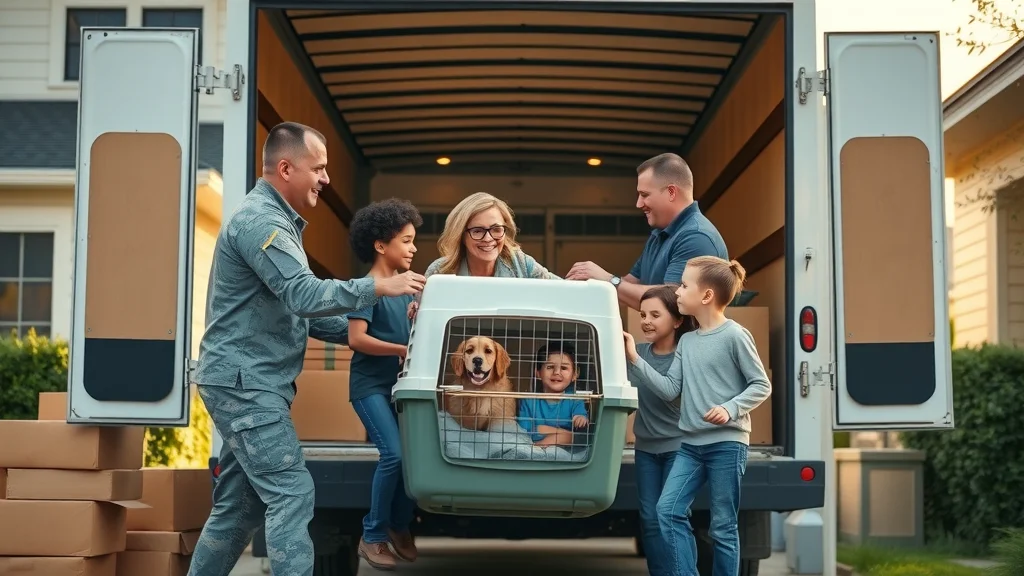
Understanding Military Life and Its Impact on Pet Ownership
Frequent Relocations and Their Effects on Military Families and Pets
Military service demands a high degree of mobility, with a typical Permanent Change of Station (PCS) occurring every three to four years. These frequent relocations not only mean that service members must adapt to new roles and environments, but their families must also face the emotional toll of losing established friendships, changing schools, and rebuilding community ties. In this turbulent environment, pets often serve as a constant source of emotional continuity, providing families with a grounding presence amid the chaos.
Dustin Mathews, of Long Leaf Animal Hospital, explains, “Pets give military families a sense of routine and emotional grounding that makes frequent moves more tolerable. ” This constant companionship helps ease the stress of relocation for both service members and their families, offering a touchstone of comfort and familiarity when all else is changing.
For children especially, losing lifelong friends due to constant moves can be a traumatic experience. Pets become stable companions that create a daily routine — walking, feeding, playing — which fosters emotional well-being and provides a much-needed sense of normalcy during transitions.
Military Pet Support: Logistics and Financial Assistance
The military recognizes the challenges military families face when moving with pets, especially during overseas assignments. To assist, military installations often provide veterinary clinics on base and cover essential pet care expenses. This includes mandatory health screenings and travel reimbursements necessary for bringing pets overseas. The military covers costs such as airline pet fees and mandated veterinary requirements, alleviating financial burdens for pet owners during PCS moves.
Military covers pet health screenings and travel expenses for overseas moves.
Veterinary clinics on base assist with pet care requirements.
Government travel cards and reimbursements ease financial burdens.
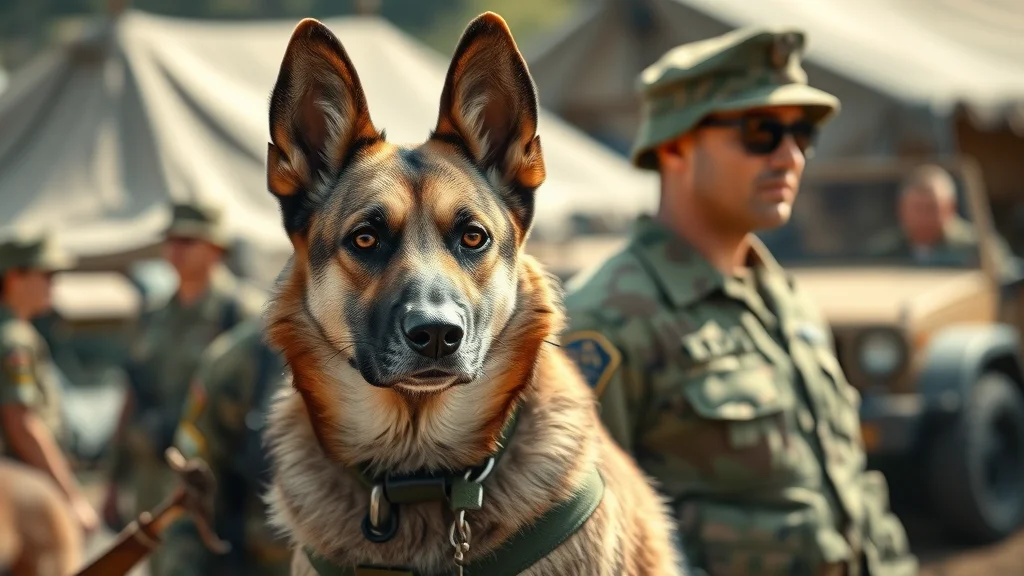
The Emotional Bond Between Military Personnel and Their Pets
Pets as Emotional Regulators for Veterans with PTSD and Anxiety
For veterans and active military personnel, the emotional benefits of pet ownership extend beyond stability. Combat veterans often face mental health challenges such as Post-Traumatic Stress Disorder (PTSD), anxiety, and depression. Pets play a vital role in emotional regulation, providing comfort and reducing feelings of isolation.
Dustin Mathews shares, “My dog provides me with emotional grounding that helps me manage PTSD and anxiety, offering a natural calming effect similar to a weighted blanket.”
For more info, call Dustin: 910-692-4201 Or email at: dustinmathews@longleafanimalhospital.com
This embodied comfort has a physiological impact as well: physical interaction with pets lowers stress hormones, helping to calm the nervous system. For Dustin, the presence of his dog eases the mental burden after combat tours and reconnects him with the present moment, counteracting emotional withdrawal. Such companionship fosters healing and emotional resilience.
Pets reduce isolation and emotional withdrawal.
Companionship helps veterans process trauma and stress.
Physical contact with pets lowers physiological stress responses.
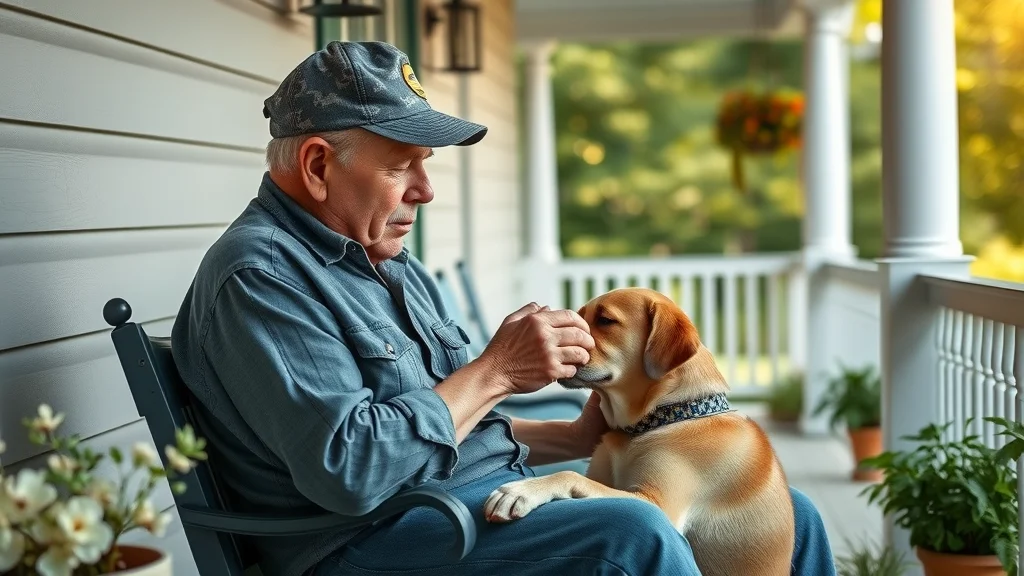
Pets Supporting Military Children and Families
Military children frequently contend with disruptions in their social lives and schooling due to moves, increasing the need for stability at home. Pets offer a valuable source of routine, requiring daily care such as feeding and walking that establishes a structured rhythm amid uncertainty. This ongoing responsibility not only nurtures the child's development but also provides emotional reassurance for the entire family.
Interestingly, some military families extend this care to large animals like horses, further enriching their sense of responsibility and continuity. Feeding and caring for livestock parallels routine demands, and as Dustin Mathews points out, “We’re looking forward to possibly getting into large animals, as it will help build that sense of routine and structure. ” Such animals can be particularly grounding for families settling in rural or spacious post assignments.
Pets create daily routines that foster stability for children.
Companion animals help maintain a sense of normalcy during transitions.
Large animals like horses can also provide structure and responsibility.

Best Practices for Military Pet Ownership
Intentional Planning Before Bringing a Pet Into a Military Family
Military lifestyle pet ownership requires thoughtful planning and commitment. Dustin Mathews emphasizes that pet ownership should be a “conscious, intentional decision by the whole family,” especially given the challenges of deployments and relocations. Impulsive purchases without full understanding of responsibilities often lead to difficulties for both families and pets.
He recommends prospective owners first purchasing all necessary pet supplies and living with them for a few weeks before making a final decision. This practice helps assess readiness and daily commitment. Consulting with a veterinarian beforehand is critical to understand ongoing expenses such as food, medical care, and training.
Since deployments often shift pet care responsibilities to family members, it’s essential that the entire household, not just the service member, is involved from the start. This inclusion ensures pets are truly integrated as members of the family, creating emotional continuity regardless of who is home.
Evaluate long-term commitment and costs with veterinarian consultation.
Purchase pet supplies in advance to assess readiness.
Include the entire family in the decision to ensure shared responsibility.
Dustin Mathews advises, “Pet ownership must be a conscious, intentional decision by the whole family, especially considering deployments and relocations.”
For more info, call Dustin: 910-692-4201 Or email at: dustinmathews@longleafanimalhospital.com
Establishing Consistent Routines to Ease Deployment Transitions
Routines are the cornerstone of successful military lifestyle pet ownership. Keeping feeding and walking schedules consistent, regardless of deployment status, reduces stress for both pets and family members. From day one, all family members should participate in pet care, ensuring smooth continuity when one member is deployed.
Routines provide stability during periods of separation. Since the pet is an ever-present figure, maintaining familiar care practices helps bridge emotional gaps created by military absences. This consistency fosters a stable home environment and reduces additional stress on spouses and children.
Maintain feeding and walking schedules regardless of deployment status.
Ensure all family members participate in pet care from day one.
Use pets as a bridge of continuity to reduce stress during separations.

Common Questions About Military Pet Ownership
How do dogs say "I love you"?
Dogs express love through affectionate behaviors such as licking, tail wagging, leaning on their owners, and maintaining eye contact. These subtle signs demonstrate emotional bonding, helping military families feel connected despite the challenges of military life.
How many pets can you have living on a military base?
Pet allowances vary by base, but typically families can keep two to three pets. It is essential to check individual base regulations before acquiring multiple animals to ensure compliance with housing policies.
What dog breeds aren't allowed on military bases?
Commonly restricted breeds include Pit Bulls, Rottweilers, Dobermans, and other dogs considered aggressive. These rules aim to maintain safety and suitability within military housing communities.
Does the military get free pet insurance?
The military does not provide free pet insurance. However, some benefits may be available to assist with travel-related expenses or emergency care during Permanent Change of Station (PCS) moves.
Military Base Pet Ownership Regulations Overview |
|
Question |
Answer Summary |
|---|---|
Number of Pets Allowed |
Varies by base; typically 2-3 pets allowed |
Restricted Dog Breeds |
Commonly restricted breeds include Pit Bulls, Rottweilers, and Dobermans |
Pet Insurance |
Military does not provide free pet insurance; some benefits may apply for travel |
Pet Relocation Support |
Military covers health checks and travel expenses for PCS moves |
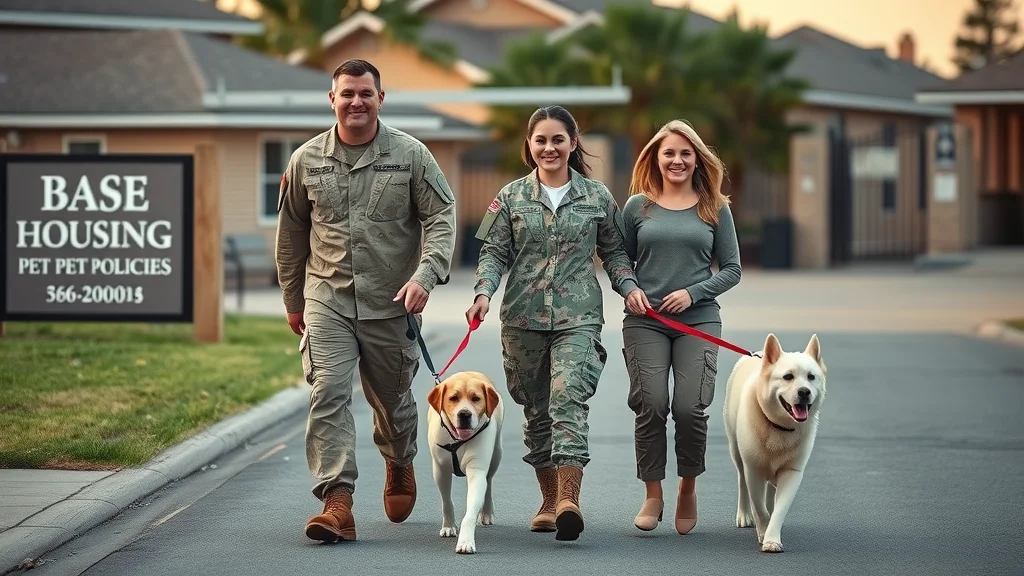
Key Takeaways for Successful Military Lifestyle Pet Ownership
Pets provide essential emotional support and routine for military families.
Planning and family involvement are critical before acquiring a pet.
Military resources can assist with pet relocation and care logistics.
Consistent routines help mitigate stress during deployments and moves.
Conclusion: Embracing the Commitment of Military Lifestyle Pet Ownership
Dustin Mathews concludes, “Pets are not temporary tools but lifelong companions that bring stability and healing to military families amid constant change.”
Approach pet ownership with care and intentionality to create a nurturing environment where military families and their furry companions can thrive together through every deployment and relocation.
Call to Action
For expert advice and veterinary care tailored to military families, contact Long Leaf Animal Hospital and Pet Boutique.
Call Us Today: 910-692-4201 to schedule an appointment or consultation. Or email Dustin at: dustinmathews@longleafanimalhospital.com
What You'll Learn
The realities and emotional challenges of military lifestyle pet ownership.
How military support systems assist with veterinary and pet relocation logistics.
Expert perspectives on the healing power of pets for veterans with PTSD and anxiety.
Best practices for intentional pet ownership, routine establishment, and deployment readiness.
Answers to common questions about pet policies and care in military environments.




Write A Comment